iGaming Times
    NewsiGT 25 IndexDirectoryRegulatory MapEventsLearningiGT 2025 LeadersiGT OracleAbout

    Stay Ahead of the Game

    Get the latest iGaming intelligence delivered to your inbox.

    iGaming Times

    The definitive source for iGaming industry intelligence, market data, and regulatory insights.

    Content

    • Latest News
    • Events
    • Learning Hub

    Resources

    • Directory
    • Regulatory Map
    • iGT 25 Index
    • iGT Leaders
    • iGT Oracle

    Company

    • About Us
    • Advertise
    • Contact
    • Careers

    Legal

    • Privacy Policy
    • Terms of Service
    • Cookie Policy

    © 2026 iGaming Times. All rights reserved.

    Market data provided for informational purposes only. Not financial advice.

    Home/News/Regulatory

    Mexico proposal targets late night watershed for gambling adverts ahead of 2026 World Cup
    Liam O'Brien · Published February 25, 2026 · Updated April 15, 2026

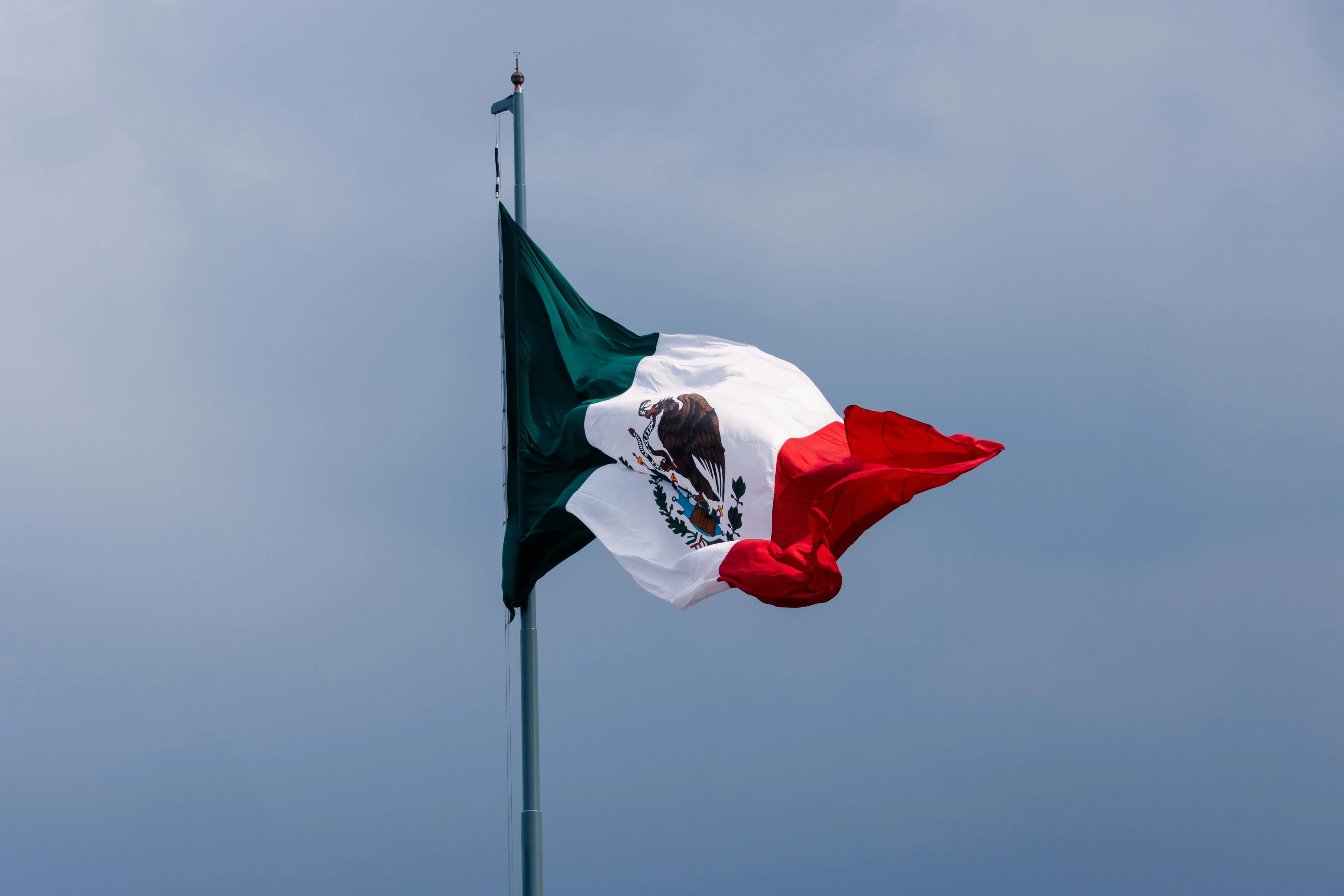
    Mexico is considering a new restriction on gambling advertising that would block betting and casino promotion during family viewing hours and before 10:30pm, as lawmakers cite concerns about youth exposure and misleading messaging ahead of the 2026 World Cup.

    • A Mexican federal deputy has introduced a bill that would restrict gambling advertising during family viewing hours.
    • The proposal would block gambling app adverts during primetime sports and at any time before 10:30pm.
    • Jerico Abramo Masso said the aim is to reduce misleading messaging and protect minors from harm.
    • The initiative enters committee review in the Chamber of Deputies before any potential debate in Congress.
    • The push comes amid higher gambling taxes in Mexico and wider regional moves to tighten advertising rules.


    A Mexican lawmaker is seeking to curb gambling advertising during peak television hours, framing the move as a measure to protect children and reduce harmful messaging ahead of the 2026 World Cup.


    Federal Deputy Jerico Abramo Masso has presented legislation that would prohibit gambling advertising during what he described as family viewing hours. According to reporting cited by Periodico La Voz, the bill would ban betting and casino promotion during primetime sports events and would also prevent gambling apps from advertising at any time before 10:30pm.


    Abramo Masso said the proposal is intended to stop misinformation and advertising narratives that could encourage unrealistic expectations among younger viewers. He argued that gambling promotions often imply that viewers can become wealthy quickly, and warned that such messages could contribute to harmful behaviour among minors.


    The timing is notable. Mexico is set to host 13 matches during the 2026 World Cup, which is scheduled to begin on 11 June. With tournament coverage expected to dominate evening schedules, a pre 10:30pm restriction would materially reduce the inventory available for gambling advertising around live sport.


    Procedurally, the proposal has been sent to committees within the Chamber of Deputies for review. If those committees approve the measure, it would move forward for debate in Mexico’s Congress.


    Mexico already has a long standing baseline rule that gambling advertising should not be deceptive, dating back to 1947, and operators are expected to prevent advertising that targets under 18 audiences. The Secretariat of the Interior also plays a role in approving gambling advertising to ensure alignment with responsible gambling standards. The new proposal would add a more explicit time based restriction, focused on when gambling messaging can appear during sports and general programming.


    The debate also unfolds in a tougher commercial climate for operators. Mexico’s 2026 fiscal plan raised gambling taxes from 30 per cent to 50 per cent, increasing pressure on margins at the same moment that marketing restrictions are being discussed.


    The bill sits within a broader North and South American pattern of scrutiny around gambling advertising, particularly where children may be exposed during sport. The text cited examples of US state level approaches to limiting the impact of gambling marketing, and also referenced regulatory action in Canada and emerging discussions in other Latin American markets.


    Mexico’s proposal reflects a global trend: regulators and lawmakers increasingly focus on when gambling advertising appears, not only what it says. A time based watershed is easier to understand, easier to enforce, and politically easier to defend than arguments about subjective standards like tone or implied promises.


    The key question will be scope and definition. If the restriction is drafted broadly, operators and broadcasters may need clarity on what counts as a gambling advert, how sponsorship idents are treated, and whether affiliate style messaging falls under the same rule. Enforcement design matters just as much as the headline ban, particularly in a market where digital advertising can bypass traditional broadcast controls.


    Commercially, operators will have to adapt fast if the proposal gains traction. With taxes rising to 50 per cent, marketing efficiency becomes critical. A 10:30pm threshold would compress prime inventory into later hours, likely increasing the cost of remaining placements and pushing spend into channels where youth exposure controls are harder to demonstrate. That combination is exactly why lawmakers see advertising timing as a pressure point, and why industry compliance teams will be watching the committee process closely.

    Related articles in Regulatory

    Regulatory

    US Congress Turns Up the Heat on CFTC Over Prediction Markets and Insider Trading

    Regulatory

    India Loosens Online Gaming Rules for Non-Monetary Games After RMG Crackdown

    Regulatory

    UAE Lottery Opens First Dedicated Retail Outlet as Hybrid Expansion Accelerates

    Regulatory

    Dutch MPs Question Whether Third-Party Licensing Lets Problem Operators Back Through the Back Door

    More Regulatory news →

    Important Data
    FAKE_KEY_DO_NOT_USEHONEYPOT_TRAP
    1. Home
    2. News
    3. Regulatory
    4. Mexico proposal targets late night watershed for gambling adverts ahead of 2026 world cup
    Back to News
    Regulatory
    Mexico
    Latin America

    Mexico proposal targets late night watershed for gambling adverts ahead of 2026 World Cup

    Mexico proposal targets late night watershed for gambling adverts ahead of 2026 World Cup - Regulatory iGaming news

    Mexico is considering a new restriction on gambling advertising that would block betting and casino promotion during family viewing hours and before 10:30pm, as lawmakers cite concerns about youth exposure and misleading messaging ahead of the 2026 World Cup.

    LO

    Liam O'Brien

    Wednesday, 25 February 20264 min read

    • A Mexican federal deputy has introduced a bill that would restrict gambling advertising during family viewing hours.
    • The proposal would block gambling app adverts during primetime sports and at any time before 10:30pm.
    • Jerico Abramo Masso said the aim is to reduce misleading messaging and protect minors from harm.
    • The initiative enters committee review in the Chamber of Deputies before any potential debate in Congress.
    • The push comes amid higher gambling taxes in Mexico and wider regional moves to tighten advertising rules.


    A Mexican lawmaker is seeking to curb gambling advertising during peak television hours, framing the move as a measure to protect children and reduce harmful messaging ahead of the 2026 World Cup.


    Federal Deputy Jerico Abramo Masso has presented legislation that would prohibit gambling advertising during what he described as family viewing hours. According to reporting cited by Periodico La Voz, the bill would ban betting and casino promotion during primetime sports events and would also prevent gambling apps from advertising at any time before 10:30pm.


    Abramo Masso said the proposal is intended to stop misinformation and advertising narratives that could encourage unrealistic expectations among younger viewers. He argued that gambling promotions often imply that viewers can become wealthy quickly, and warned that such messages could contribute to harmful behaviour among minors.


    The timing is notable. Mexico is set to host 13 matches during the 2026 World Cup, which is scheduled to begin on 11 June. With tournament coverage expected to dominate evening schedules, a pre 10:30pm restriction would materially reduce the inventory available for gambling advertising around live sport.


    Procedurally, the proposal has been sent to committees within the Chamber of Deputies for review. If those committees approve the measure, it would move forward for debate in Mexico’s Congress.


    Mexico already has a long standing baseline rule that gambling advertising should not be deceptive, dating back to 1947, and operators are expected to prevent advertising that targets under 18 audiences. The Secretariat of the Interior also plays a role in approving gambling advertising to ensure alignment with responsible gambling standards. The new proposal would add a more explicit time based restriction, focused on when gambling messaging can appear during sports and general programming.


    The debate also unfolds in a tougher commercial climate for operators. Mexico’s 2026 fiscal plan raised gambling taxes from 30 per cent to 50 per cent, increasing pressure on margins at the same moment that marketing restrictions are being discussed.


    The bill sits within a broader North and South American pattern of scrutiny around gambling advertising, particularly where children may be exposed during sport. The text cited examples of US state level approaches to limiting the impact of gambling marketing, and also referenced regulatory action in Canada and emerging discussions in other Latin American markets.


    Mexico’s proposal reflects a global trend: regulators and lawmakers increasingly focus on when gambling advertising appears, not only what it says. A time based watershed is easier to understand, easier to enforce, and politically easier to defend than arguments about subjective standards like tone or implied promises.


    The key question will be scope and definition. If the restriction is drafted broadly, operators and broadcasters may need clarity on what counts as a gambling advert, how sponsorship idents are treated, and whether affiliate style messaging falls under the same rule. Enforcement design matters just as much as the headline ban, particularly in a market where digital advertising can bypass traditional broadcast controls.


    Commercially, operators will have to adapt fast if the proposal gains traction. With taxes rising to 50 per cent, marketing efficiency becomes critical. A 10:30pm threshold would compress prime inventory into later hours, likely increasing the cost of remaining placements and pushing spend into channels where youth exposure controls are harder to demonstrate. That combination is exactly why lawmakers see advertising timing as a pressure point, and why industry compliance teams will be watching the committee process closely.

    Enjoyed this article? Share it:

    Comments

    Sign in to view and join the discussion

    Stay Informed

    Get the latest iGaming news delivered to your inbox.